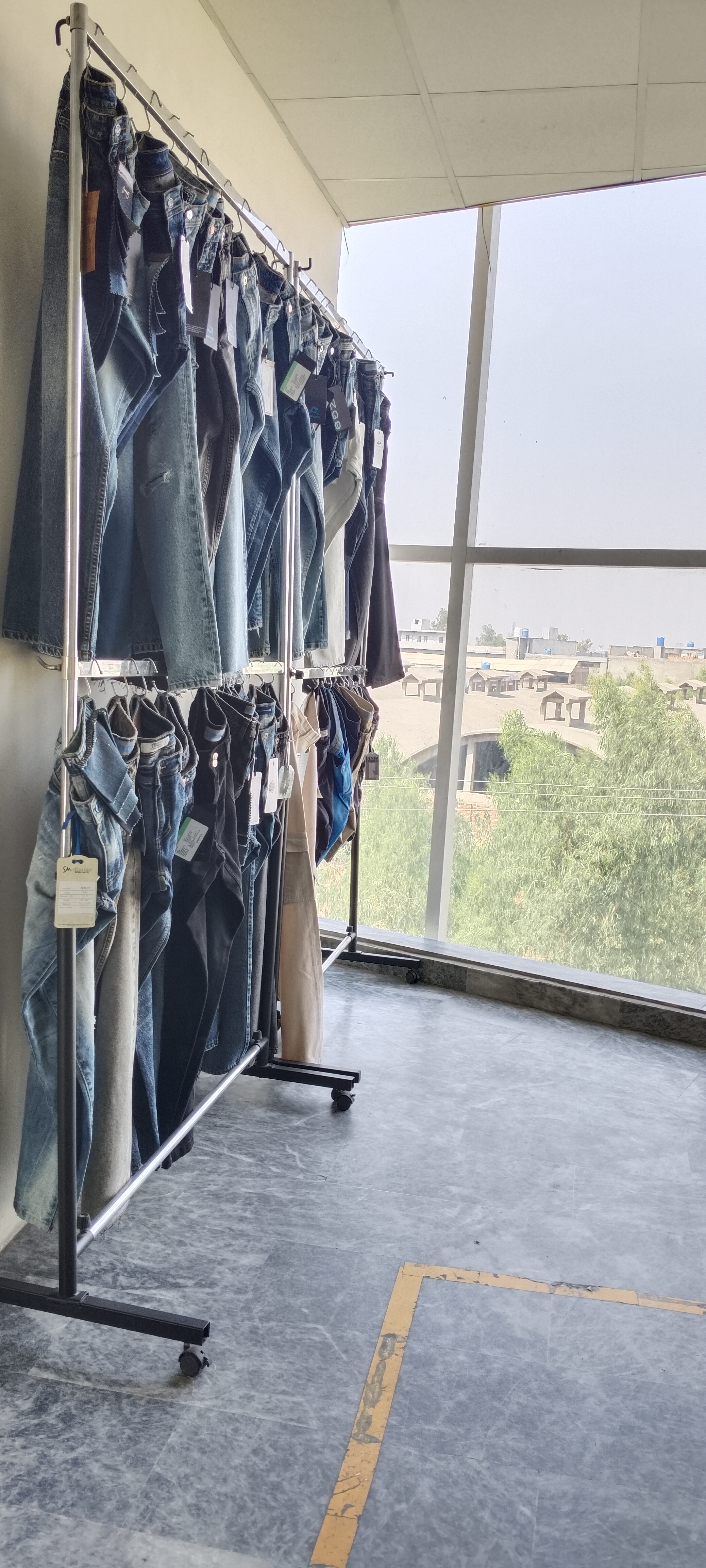
Fabric intake and storage
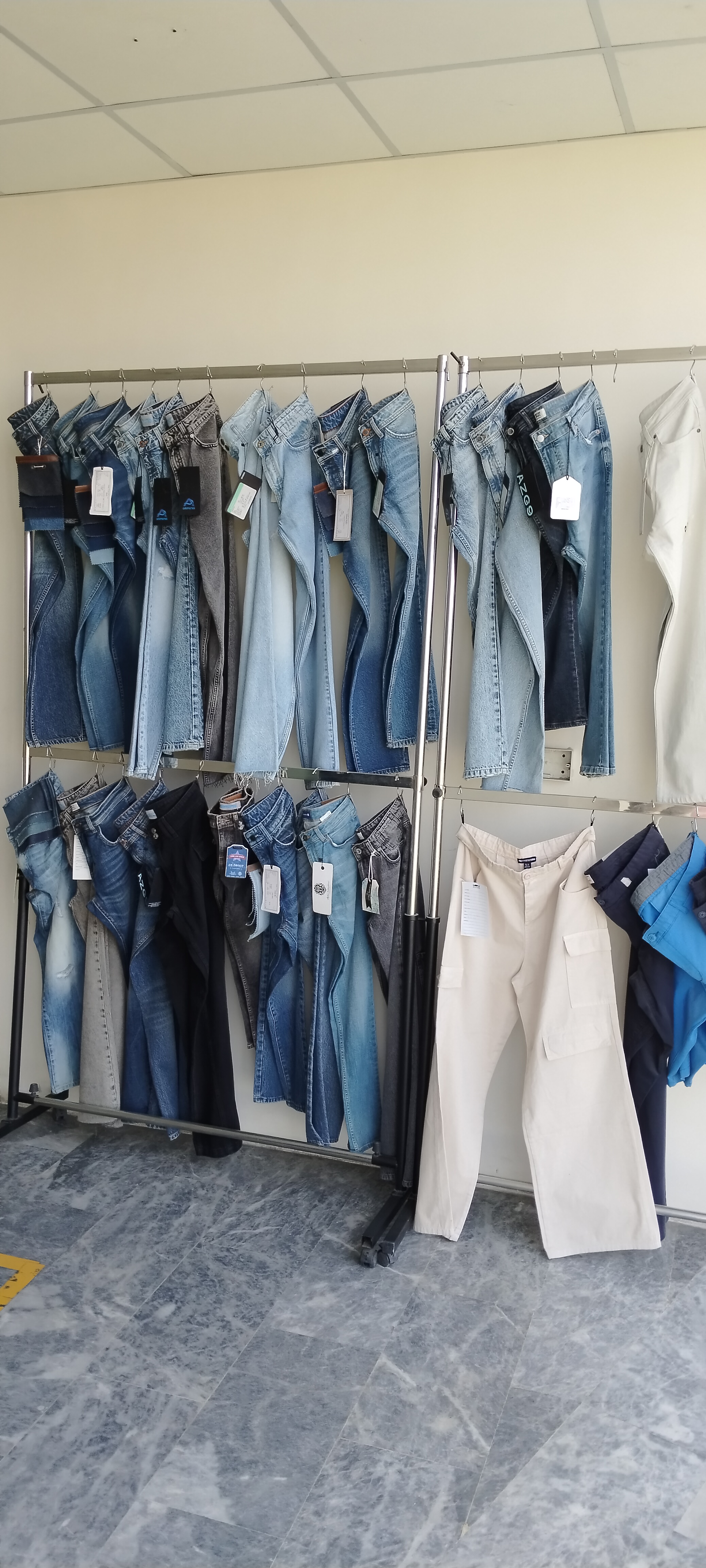
Racked fabric, checked against the approved swatch before it enters production
The Campus
Every stage from fabric intake to sealed container happens on one site in Lahore: cutting, sewing, knitting, printing, embroidery, finishing, inspection, packing and despatch. The page below sets out what we can evidence, what we will hand you on request, and what we deliberately do not claim — so you can verify us before sending money rather than after.
Factory video
We would rather tell you that than show you a still image with a play button. A live video walkthrough of the cutting room, sewing lines, printing and embroidery area, inspection tables and packing bays can be arranged with a supervisor present, scheduled around your timezone, and recorded so you can refer back to it.
If a recorded walkthrough is a precondition for your supplier shortlist, say so in your first message and we will confirm availability before you invest time in the rest of the process.
How to verify us
We hold ISO 9001:2015, OEKO-TEX Standard 100, WRAP, GRS, GOTS, amfori BSCI, Sedex/SMETA and Better Cotton. Each is listed with its scope and issuing body on our certifications page. Ask us for the certificate number, then check it with the issuing organisation yourself — anyone can send a logo, nobody can send a valid certificate number for a certificate that does not exist.
Certificate copies, audit reports and chain-of-custody files are released against a style or order reference rather than published openly. This is normal practice for audited suppliers, and it means what you receive is tied to a production run you are actually commissioning.
Buyers and auditors can walk the production floor. On-site visits can be arranged; a recorded video walkthrough with a supervisor explaining each station can be scheduled around your timezone. We will walk the same floor that samples your style and produces your bulk.
A pre-production sample costs a fraction of a production run and tests the thing that actually matters: whether we can make your garment to your specification. Sampling is quoted separately and stated before it begins.
Tour units
Each department sits on the same campus, so one visit covers the entire production path from incoming fabric inspection to a sealed container. Aisles are marked and kept clear, machines are serviced on a preventive schedule, and every station has documented work instructions, guarding, PPE and fire access — which is why we are comfortable letting buyers and auditors walk the floor unannounced.
Racked fabric, checked against the approved swatch before it enters production
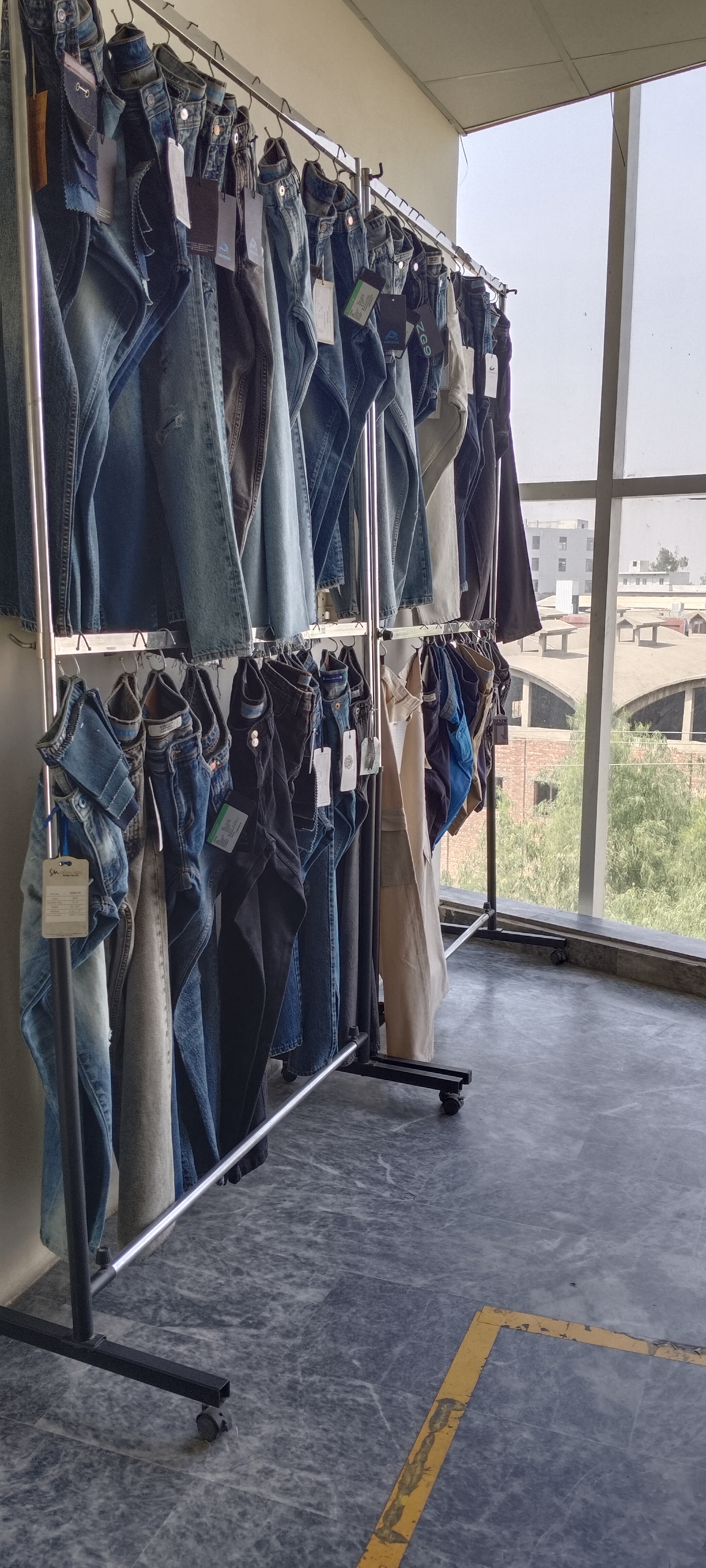
Marker planning, lay planning and cutting on graded patterns
Cut-and-sew lines, with in-line checkpoints at each operation
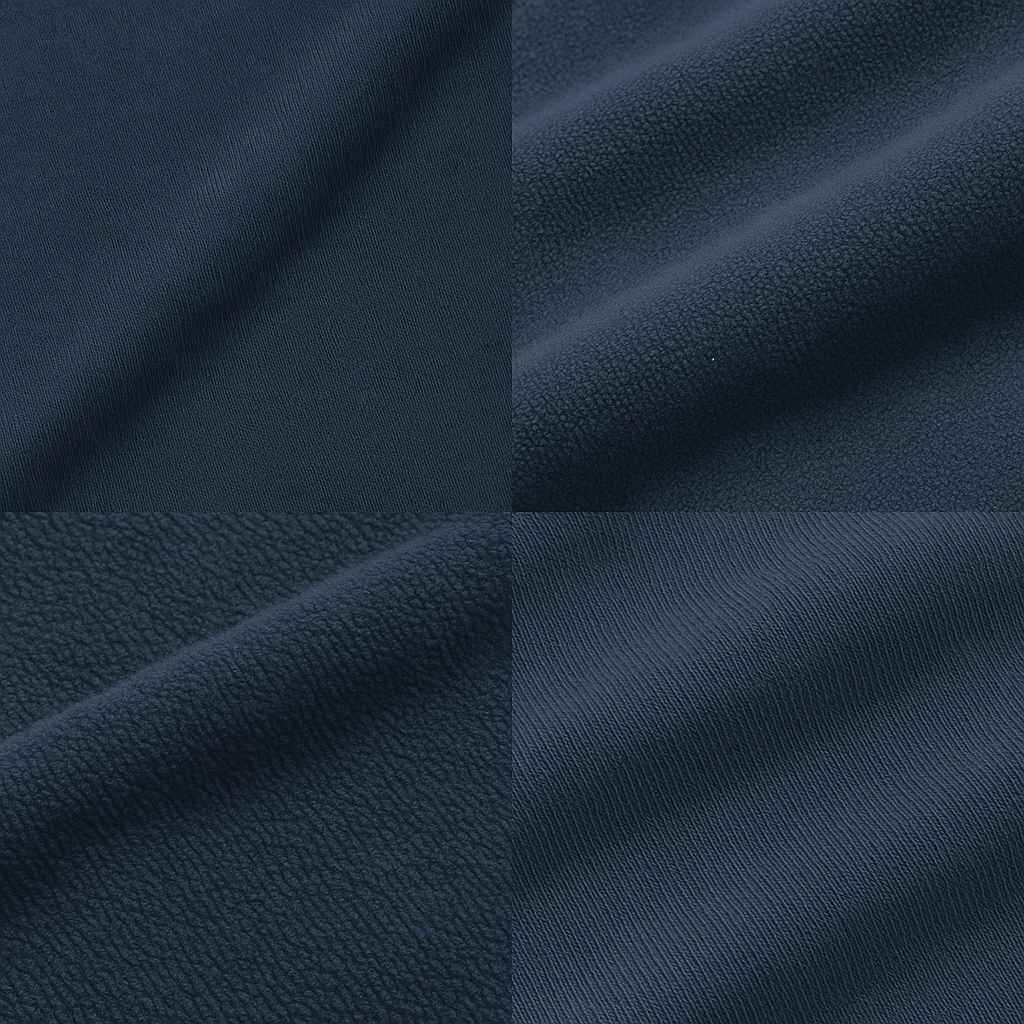
Flat and circular knitting, with linking and trimming for make-to-measure panels
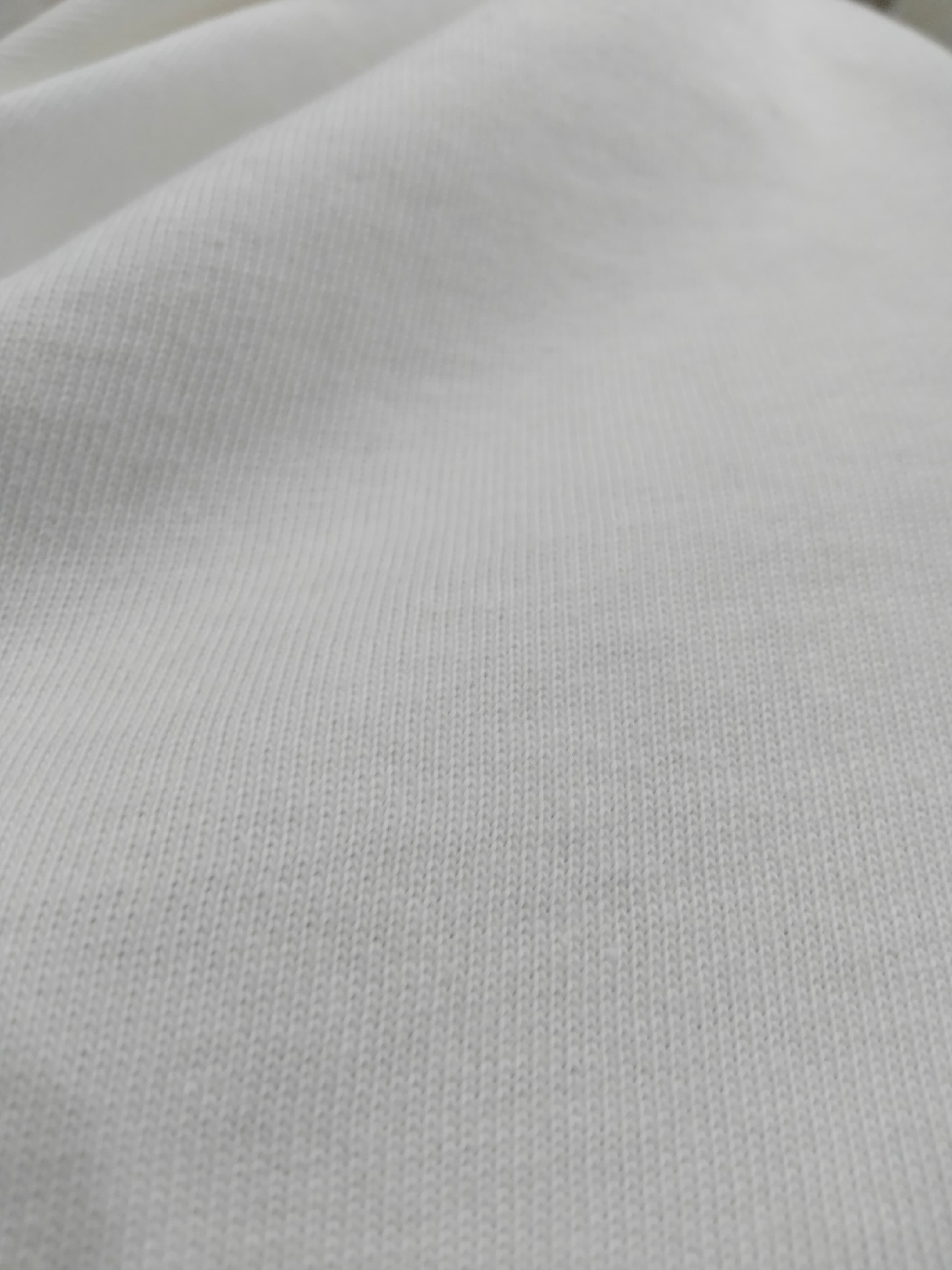
Carousel printing in plastisol, discharge and water-based inks
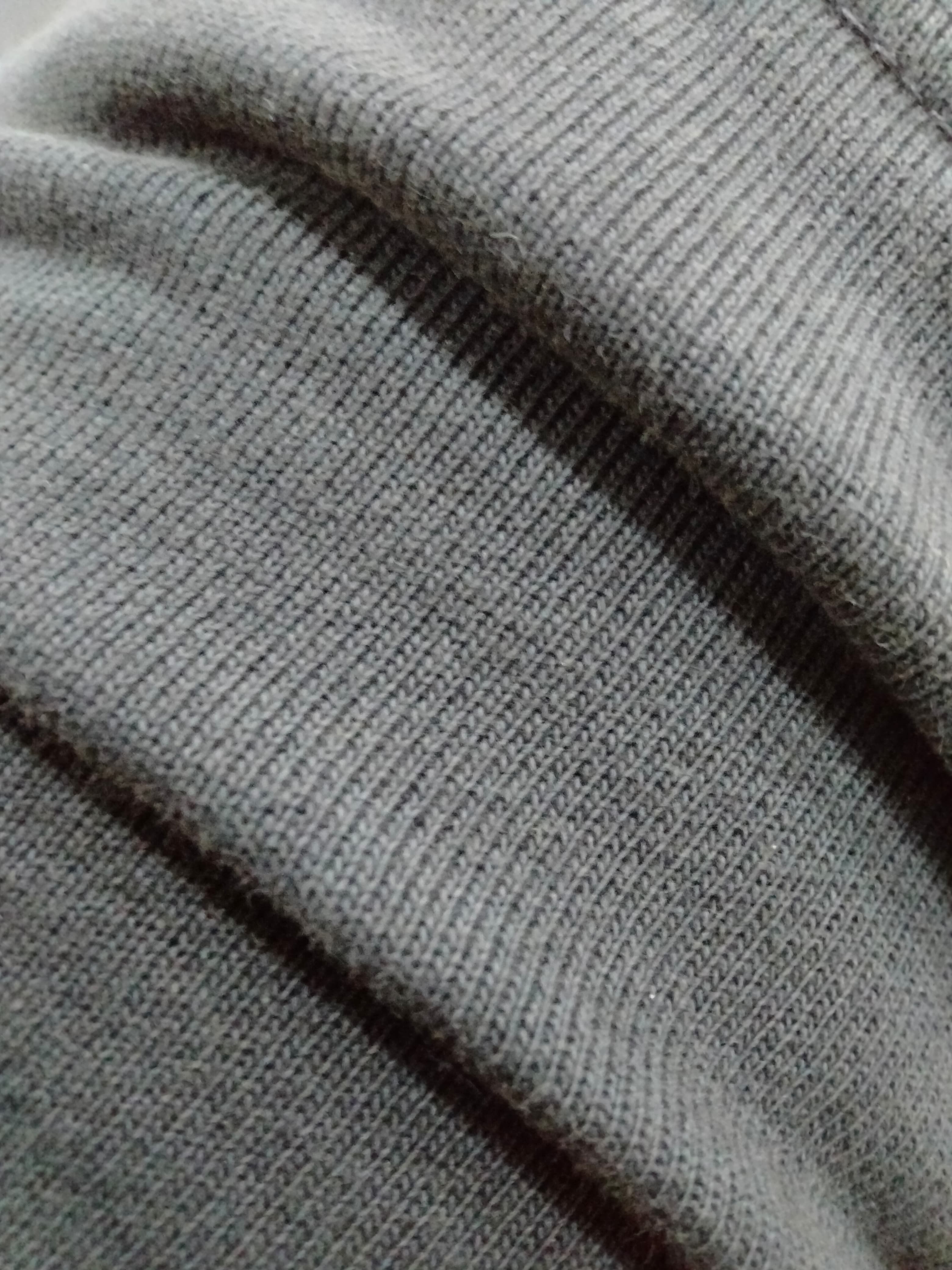
Multi-head embroidery, digitised from your artwork and approved at sample
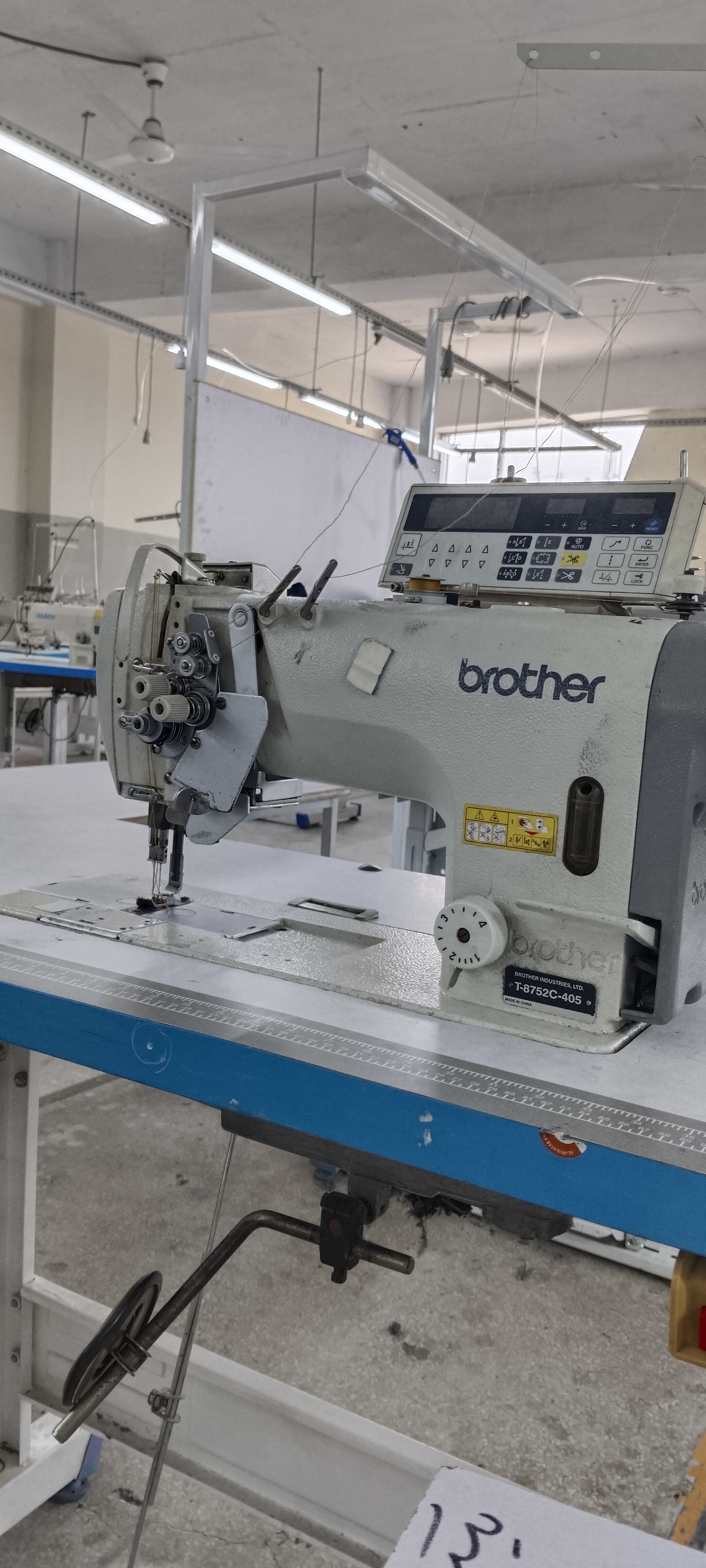
Detail and final inspection against the approved sample and agreed AQL
Folded, tagged, poly-bagged and packed into DC-ready cartons
Visiting
The factory is in Lahore, Pakistan. If you are evaluating suppliers in person, we will host you: cutting room, sewing lines, knitting, printing and embroidery, finishing, AQL inspection tables, packing and despatch. Bring your own questions and ask the supervisor on the floor rather than the person showing you around — that is the fastest way to find out whether a factory is what it says it is.
If travelling is not practical, ask for the video walkthrough instead, and ask for it to cover the specific steps your product depends on.
Straight answers
Answered directly, including the parts where the honest answer is that something sits with you rather than with us.
Eco Vira manufactures. Cutting, sewing, knitting, printing, embroidery, finishing, inspection and packing all happen on our own site in Lahore. We are not a sourcing agent and we are not subcontracting your order to a unit you have never heard of. A trading company can be a perfectly good partner, but you need to know which one you are dealing with — so if that matters to your decision, ask us to walk you through the floor, or arrange to visit.
We cannot know that until we see your specification, and we will not claim otherwise. What we can tell you is how you find out cheaply: send a tech pack or describe the product, and we will tell you honestly whether it sits inside our capability — the fabric construction, the construction method, the decoration and the quantity. If a style is outside what our equipment can produce, you will hear that before you have spent anything. If it is borderline, we will say that too rather than take the order and find out later.
Consistency is controlled by three things, and all three are specified before production rather than negotiated afterwards: the approved pre-production sample, the AQL level set in your order, and in-line inspection during the run rather than only at the end. The approved sample becomes the reference, and inspection is measured against it. Consistency across repeat orders is supported by keeping your specification and reference file on record, so a reorder starts from where the last one finished rather than from scratch.
Your design, patterns, artwork and product information stay yours. What we keep is manufacturing knowledge — which is what you are paying for. Two practical protections: your bank details never change without a phone confirmation before you act on them, because unsolicited bank-detail changes are the standard invoice-fraud pattern. And production runs on a deposit with the balance against original shipping documents, so money moves against documents rather than against reassurance.
Yes, to the level a specification can be met — and the honest version of that answer involves the tech pack. A garment factory cannot produce to a description, only to a specification: a technical drawing, a graded measurement chart with tolerances, a bill of materials, construction details and decoration artwork. Gaps get interpreted, and interpretation is where cost and delay appear. We would rather develop the specification with you than guess at it, and development is quoted separately.
It depends on where it is found, which is exactly why inspection happens during production and not only at the end. If a problem is caught at in-line inspection, the affected units are reworked before the run continues. If it is found in the pre-shipment inspection, we agree a remedy — rework, replacement or a credit against the balance — before anything ships. If it is not found until your warehouse, we still want to see it, because a failure we cannot learn from becomes a failure twice. Any remedy is agreed in writing, and for most buyers the more useful protection is the inspection plan agreed at order stage rather than a clause afterwards.
Yes. Our minimum starts at 30 pieces per style, per colour. That figure is per style and per colour, so a range costs more than one style — and size range raises the practical minimum, which we confirm before you commit. A small first run is a reasonable way to test a design, and it is a normal way to work with us rather than an exception.
What we don't publish
A buyer checking whether a supplier is real will assume that having nothing to prove means having nothing to hide. This is the opposite: it is a list of claims we have chosen not to make because we cannot evidence them.
| Not published | Why |
|---|---|
| Unit prices or a price list | Garment cost depends on fabric weight and type, decoration, size range and order terms. A published figure would either be out of date or describe a specification nobody ordered, and both cost the buyer more than they save. We quote against your spec, in writing. |
| Monthly output, factory area, headcount, machine count | These are real operating numbers for the factory, but they cannot be evidenced by a prospective buyer, and they do not predict whether your garment will be made well. Ask us and we will give you current figures. We do not put unverifiable ones on a web page and hope nobody checks. |
| On-time despatch percentage, repeat-client rate | A percentage with no denominator and no reporting period is a marketing number rather than a measurement. If we can give you a meaningful figure with a stated period and denominator on request, we will. |
| Client names and logos | Most brands treat their supply chain as competitively sensitive and do not permit it. We do not display a client name or logo we are not authorised to display, and we will not invent one. |
| Testimonials and star ratings | We have not collected published, permissioned testimonials, so we do not show any. A review platform nobody can inspect is not evidence. Ask for references and we will tell you honestly which we can and cannot share under the confidentiality terms in place. |
If any of this is a precondition for your supplier shortlist — a factory audit, a certificate copy, a video walkthrough, a reference call — ask for it directly and you will get a straight answer about whether we can provide it.